

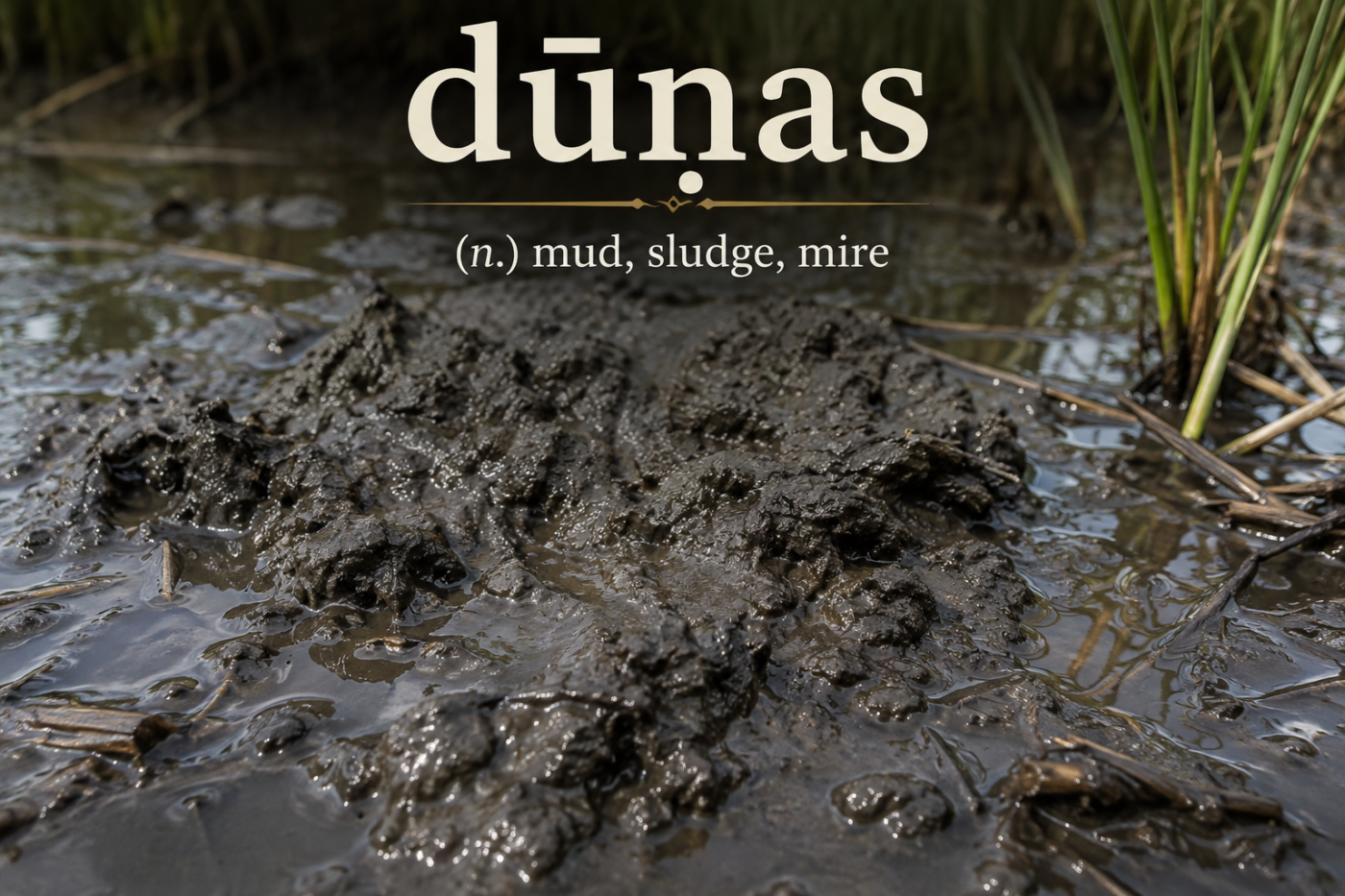

What Are Dūņas?
The word dūņas refers to mud, sludge, or sediment that settles at the bottom of rivers, lakes, ponds, wetlands, and other bodies of water. Depending on the context, it can describe naturally occurring organic deposits or material created through industrial and wastewater treatment processes. Although many people associate dūņas with dirty or unusable matter, they play an important role in ecosystems, agriculture, environmental science, and water management.
Understanding dūņas helps explain how natural environments recycle nutrients, how water treatment facilities operate, and why sediment management is essential for maintaining healthy waterways. Whether found in a marsh, a wastewater treatment plant, or a freshwater lake, this material has significant environmental and practical value.
Understanding the Meaning of Dūņas
The term dūņas is commonly used in the Latvian language to describe mud, sludge, or soft sediment..
In nature, dūņas usually consist of decomposed plant material, microorganisms, minerals, sand, and fine particles that gradually settle underwater. In engineering and environmental management, the same word may refer to sludge produced during wastewater treatment, where solids separate from water through biological and mechanical processes.
Although these forms differ in composition, they share one common characteristic: they are collections of fine, moisture-rich material that accumulate over time.
How Dūņas Form Naturally
Natural sediment does not appear overnight. It develops through slow geological and biological processes that continue for years or even centuries.
Leaves, algae, aquatic plants, tiny organisms, and mineral particles enter lakes and rivers continuously. As these materials decompose or lose energy in still water, they settle on the bottom. Layer after layer builds up until a soft sediment bed forms.
Several environmental factors influence this process, including:
- Water movement and current speed
- Organic matter entering the water
- Soil erosion from surrounding land
- Seasonal flooding
- Climate and rainfall patterns
Over long periods, these deposits can become rich in nutrients and support complex aquatic ecosystems.
Main Types of Dūņas
Not all dūņas are the same. Scientists and environmental specialists classify them according to their origin and composition.
Natural Sediment
This type forms in rivers, ponds, wetlands, and lakes through natural accumulation. It contains minerals, organic matter, microorganisms, and tiny plant remains.
Wastewater Sludge
Municipal and industrial treatment plants generate sludge while cleaning wastewater. This material contains organic solids removed from water before it is released back into the environment.
Agricultural Sediment
Farms sometimes produce sediment through irrigation runoff and soil erosion. These deposits often contain soil particles mixed with organic material.
Industrial Sludge
Factories and manufacturing facilities may generate specialized sludge during production processes. The composition varies depending on the industry and requires careful management.
Why Dūņas Matter in Nature
Many people think sediment simply collects at the bottom of water bodies without serving any purpose. In reality, it performs several essential ecological functions.
Healthy sediment stores nutrients that aquatic plants use for growth. It also provides habitat for insects, worms, mollusks, and microorganisms that form the foundation of aquatic food chains.
Fish often depend on organisms living within sediment for food. Wetlands also use sediment to filter pollutants naturally before water continues downstream.
Without these natural deposits, many freshwater ecosystems would struggle to maintain biodiversity.
Environmental Benefits
When managed properly, dūņas contribute to environmental sustainability in several ways.
Nutrient Recycling
Organic material trapped in sediment gradually breaks down and releases nutrients back into surrounding ecosystems. This natural recycling supports plant growth and microbial activity.
Carbon Storage
Wetlands and marshes store significant amounts of carbon inside accumulated sediment. This process helps reduce atmospheric carbon dioxide over long periods.
Water Filtration
Sediment captures suspended particles, helping improve water clarity in some natural environments. Beneficial microorganisms also help break down organic pollutants.
Habitat Creation
Many aquatic species spend part or all of their lives within sediment layers. These habitats support biodiversity across freshwater ecosystems.
Dūņas in Wastewater Treatment
One of the most important modern uses of dūņas occurs in wastewater treatment facilities.
Before wastewater can safely return to rivers or oceans, treatment plants remove solid materials. During this process, sludge separates from liquid water through sedimentation tanks and biological treatment systems.
The treatment process generally includes:
Primary Treatment
Large solids settle naturally through gravity, producing primary sludge.
Secondary Treatment
Beneficial bacteria consume dissolved organic matter, creating biological sludge.
Thickening
Water content decreases so the sludge becomes easier to transport and process.
Stabilization
Additional biological or chemical treatment reduces odors and harmful microorganisms.
Final Disposal or Reuse
Depending on local regulations, treated sludge may be composted, converted into energy, applied to farmland under strict standards, or disposed of safely.
Agricultural Applications
Properly treated dūņas can improve agricultural productivity.
Some processed sludge contains valuable nutrients such as nitrogen, phosphorus, and organic carbon. When regulations permit and contamination levels remain low, farmers may apply treated biosolids to improve soil quality.
Potential benefits include improved soil structure, better moisture retention, increased microbial activity, and reduced dependence on synthetic fertilizers.
However, only properly treated material that meets environmental safety standards should be used in agriculture.
Potential Environmental Challenges
Although dūņas provide many benefits, excessive accumulation or contamination can create serious environmental concerns.
Polluted sediment may contain heavy metals, industrial chemicals, pesticides, or excessive nutrients. These contaminants can affect aquatic organisms and reduce water quality.
Common environmental challenges include:
Oxygen Depletion
Large amounts of decomposing organic matter consume dissolved oxygen, making survival difficult for fish and other aquatic animals.
Harmful Contaminants
Industrial pollution may introduce toxic substances that remain trapped in sediment for decades.
Excessive Nutrient Loading
Too much nitrogen or phosphorus can encourage harmful algal blooms that disrupt aquatic ecosystems.
Navigation Problems
Sediment accumulation gradually reduces water depth, making rivers and ports more difficult for boats to navigate.
How Scientists Study Dūņas
Environmental researchers analyze sediment to understand both present conditions and historical environmental changes.
Scientists collect sediment cores from lakes and rivers to examine layers that formed over many years. Each layer preserves information about past climates, pollution events, vegetation, and ecosystem changes.
Laboratories may test samples for:
- Organic matter content
- Mineral composition
- Nutrient concentrations
- Heavy metals
- Microbial communities
- Water content
- Particle size
These studies help governments develop conservation strategies and monitor ecosystem health.
Modern Technologies for Sediment Management
Advances in environmental engineering have improved how dūņas are managed.
Many wastewater facilities now recover valuable resources instead of simply disposing of sludge.
Modern technologies include:
Anaerobic Digestion
Specialized bacteria break down organic material without oxygen, producing biogas that generates renewable energy.
Composting
Stabilized sludge mixes with organic waste to create nutrient-rich compost suitable for approved landscaping or agricultural uses.
Thermal Drying
Removing moisture significantly reduces transportation costs and storage requirements.
Phosphorus Recovery
New technologies recover phosphorus from sludge because it is an essential nutrient with limited global reserves.
These innovations support circular economy principles by transforming waste into useful resources.
Dūņas and Climate Change
Climate change influences sediment formation in several important ways.
More intense rainfall increases soil erosion, sending additional sediment into rivers and lakes. Rising temperatures also affect decomposition rates, microbial activity, and nutrient cycling.
At the same time, healthy wetlands containing organic sediment help capture carbon and reduce greenhouse gas emissions over long periods.
Protecting these ecosystems has therefore become an important part of climate resilience strategies.
Safety Considerations
Working with untreated sludge requires appropriate safety precautions.
Some forms of wastewater sludge may contain harmful microorganisms or chemical contaminants before treatment. Professionals handling these materials typically use protective equipment and follow environmental regulations.
Proper testing, treatment, and monitoring ensure that recycled biosolids meet safety requirements before beneficial reuse.
Natural sediment found in healthy lakes and wetlands generally presents far fewer risks, although contaminated waterways should always be assessed before any direct use.
Common Misconceptions
Several myths surround dūņas, leading to misunderstandings about its environmental importance.
One common misconception is that all sludge is hazardous waste. In reality, properly treated biosolids can become valuable resources when they meet strict safety standards.
Another misunderstanding is that sediment should always be removed from lakes and rivers. While excessive buildup sometimes requires dredging, natural sediment supports healthy ecosystems and provides habitat for countless aquatic organisms.
Finally, some people believe sediment has little scientific value. In fact, researchers use sediment records to reconstruct environmental history spanning hundreds or even thousands of years.
Conclusion
Although the word dūņas often brings to mind mud or sludge, its significance extends far beyond that simple definition. Natural sediment supports aquatic ecosystems, stores nutrients, captures carbon, and preserves valuable environmental history. In modern wastewater treatment, carefully managed sludge contributes to renewable energy production, soil improvement, and resource recovery.
Understanding how dūņas forms, functions, and is responsibly managed highlights its importance in both natural environments and human infrastructure. Rather than viewing it solely as waste, scientists and environmental professionals increasingly recognize it as an essential component of sustainable water management, ecological conservation, and the circular economy.







Leave a Comment