

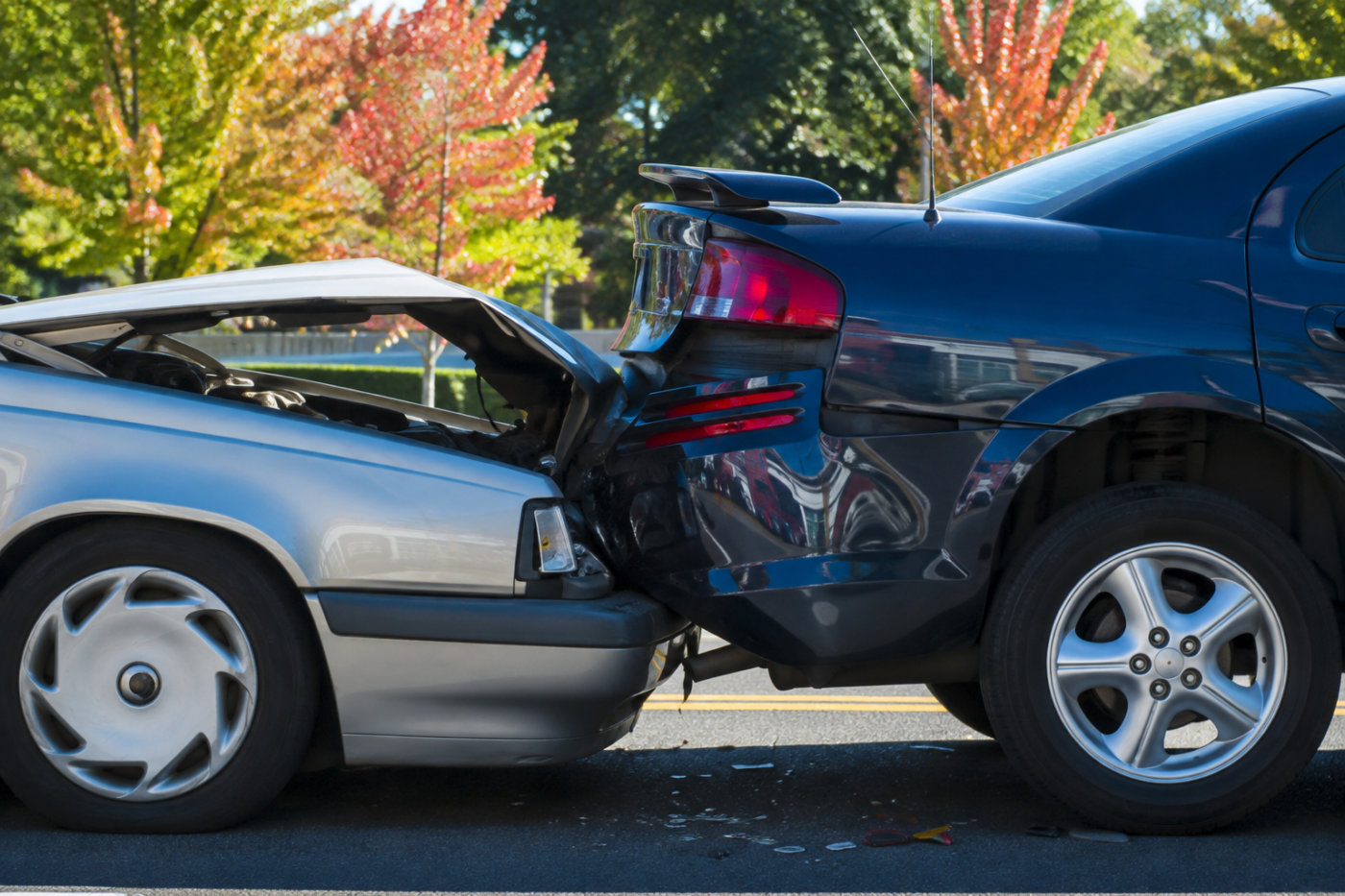

A rear end accident is one of the most common types of road collisions across the world. Although many people think these crashes are minor, they can lead to serious injuries, expensive vehicle repairs, insurance disputes, and long-term emotional stress. Whether the collision happens in slow-moving traffic or at highway speeds, the consequences can affect drivers, passengers, and even pedestrians.
Understanding why these accidents happen is the first step toward preventing them. Modern vehicles include advanced safety technologies, but human behavior still plays the biggest role in avoiding crashes. From distracted driving to sudden braking, several factors contribute to rear-end collisions every day.
This guide explains the common causes, possible injuries, legal considerations, insurance claims, and practical prevention strategies. If you drive regularly, this information can help you stay safer on the road and make informed decisions if you ever experience a collision.
What Is a Rear End Accident?
A rear end accident occurs when the front of one vehicle strikes the back of another vehicle. These collisions frequently happen at traffic lights, stop signs, intersections, congested highways, and parking lots. While many involve only two vehicles, chain-reaction crashes can include several cars.
In most situations, the driver behind is considered responsible because every motorist has a duty to maintain a safe following distance. However, liability may vary depending on road conditions, mechanical failures, or unexpected driving behavior.
Even low-speed collisions can damage bumpers, sensors, cameras, trunks, and vehicle frames. Modern vehicles often require expensive repairs because safety systems are integrated into exterior components.
Common Causes of Rear End Accidents
Distracted Driving
Looking at a smartphone, adjusting navigation, eating, or talking with passengers takes attention away from the road. Even a brief distraction can prevent a driver from reacting in time.
Following Too Closely
Tailgating significantly reduces the time available to stop safely. Drivers who leave little space between vehicles increase the risk of crashing when traffic suddenly slows.
Sudden Braking
Unexpected stops can surprise following drivers. Although rear end accident drivers should always maintain a safe distance, sudden braking sometimes contributes to collisions, especially in heavy traffic.
Speeding
Higher speeds reduce reaction time and increase stopping distance. Speeding also makes collisions more severe because greater force is involved during impact.
Poor Weather Conditions
Rain, snow, fog, and ice reduce visibility and tire traction. Drivers who fail to adjust their speed for weather conditions are more likely to experience rear-end crashes.
Mechanical Problems
Brake failure, worn tires, malfunctioning lights, or steering issues can contribute to accidents. Regular vehicle maintenance helps reduce these risks.
Where Rear End Accidents Usually Occur
Rear-end collisions can happen almost anywhere, but certain locations present higher risks.
Traffic Intersections
Drivers often stop unexpectedly at red lights or because rear end accident pedestrians are crossing the road.
Highway Congestion
Heavy traffic frequently creates stop-and-go conditions where inattentive drivers struggle to react quickly.
Parking Areas
Although speeds are generally low, limited visibility and reversing vehicles create opportunities for minor collisions.
Construction Zones
Temporary lane closures and changing traffic patterns require extra attention and slower speeds.
Common Injuries After a Rear End Accident
The human body absorbs significant force during a collision. Even if vehicle damage appears minor, injuries may develop hours or days later.
Whiplash
Whiplash is among the most common injuries after a rear-end collision. The sudden movement of the neck can strain muscles, ligaments, and tendons, causing pain and stiffness.
Back Injuries
The force of impact can affect the spine, leading to muscle strain or more serious spinal injuries.
Head Injuries
Drivers and passengers may strike the steering wheel, dashboard, window, or headrest, resulting in concussions or other head trauma.
Shoulder and Arm Injuries
Seat belts protect occupants but may also contribute to bruising or shoulder discomfort during impact.
Psychological Effects
Some people experience anxiety, stress, or fear of driving after an accident. Emotional recovery can take as much time as physical healing.
What to Do Immediately After a Rear End Accident
Remaining calm helps you make better decisions during a stressful situation.
First, check whether anyone is injured and call emergency services if medical assistance is needed. Move to a safe location when possible without creating additional hazards.
Exchange contact details, driver’s license information, insurance information, and vehicle registration with the other driver. Take clear photographs of vehicle damage, road conditions, skid marks, traffic signs, and the surrounding area.
If witnesses are present, politely ask for their contact information because their statements may help clarify what happened.
Finally, notify your insurance company as soon as possible and provide accurate information without speculating about fault.
Understanding Insurance Claims
Insurance companies investigate the circumstances of every accident before determining responsibility and compensation.
Most insurers review police reports, photographs, witness statements, repair estimates, and vehicle damage. They may also examine dashcam footage when available.
Drivers should keep copies of repair invoices, medical records, rental car expenses, and communication with insurance representatives. Organized documentation often simplifies the claims process.
Understanding your policy coverage before an accident occurs can also reduce confusion during stressful situations.
Who Is Usually Responsible?
Responsibility often falls on the driver who struck the vehicle from behind because drivers are expected to maintain sufficient stopping distance.
However, certain situations may shift liability, including:
- A vehicle reversing unexpectedly.
- Brake lights not functioning properly.
- Unsafe lane changes.
- Mechanical failures.
- Multi-vehicle chain collisions.
Each accident is unique, and investigators evaluate available evidence before assigning fault.
How to Prevent Rear End Accidents
Maintain Safe Following Distance
Many driving experts recommend the three-second rule under normal conditions and increasing that distance during poor weather.
Stay Focused
Keep your attention on driving instead of mobile devices, food, or other distractions.
Drive at Appropriate Speeds
Adjust your speed according to traffic flow, weather conditions, and visibility.
Anticipate Traffic Changes
Watch several vehicles ahead instead of focusing only on the car directly in front of you. This habit provides additional reaction time.
Maintain Your Vehicle
Regular inspections of brakes, tires, lights, and suspension systems improve overall safety and reduce mechanical risks.
Modern Vehicle Safety Features
Today’s vehicles include technology designed to reduce collision risks.
Automatic Emergency Braking
This system detects potential collisions and automatically applies the brakes if the driver does not respond quickly enough.
Forward Collision Warning
Sensors monitor traffic ahead and alert drivers when they approach another vehicle too rapidly.
Adaptive Cruise Control
Adaptive cruise systems automatically maintain a safe distance from vehicles in front by adjusting speed.
Although these technologies improve safety, they should never replace attentive driving.
Financial Impact of a Rear End Accident
Repair costs vary depending on vehicle type, speed of impact, and damaged components. Modern bumpers often contain cameras, radar sensors, and parking assistance systems that increase repair expenses.
Medical bills, lost wages, rental vehicles, towing charges, and increased insurance premiums can further raise the total financial burden. Preventive driving habits remain the most cost-effective way to avoid these unexpected expenses.
Frequently Asked Questions
Can a low-speed rear end accident cause injuries?
Yes. Even collisions at relatively low speeds can result in whiplash, muscle strain, or soft tissue injuries.
Should I visit a doctor after the accident?
If you experience pain, dizziness, headaches, or stiffness, seeking medical evaluation is recommended because some injuries develop gradually.
Are rear end accidents always the rear driver’s fault?
Not always. While the rear driver is often responsible, unusual circumstances may change liability depending on available evidence.
How long does insurance settlement take?
The timeline varies depending on injury severity, vehicle damage, available evidence, and the complexity of the claim.
Conclusion
A rear end accident may appear straightforward, but its consequences can extend far beyond vehicle damage. Physical injuries, emotional stress, insurance claims, and financial costs often follow even relatively minor collisions. Fortunately, many of these accidents are preventable through attentive driving, proper vehicle maintenance, and maintaining a safe following distance.
By understanding the causes and knowing how to respond after a collision, drivers can better protect themselves, their passengers, and others on the road. Safe driving habits remain the most effective defense against rear-end collisions, making every journey safer for everyone.










Leave a Comment