

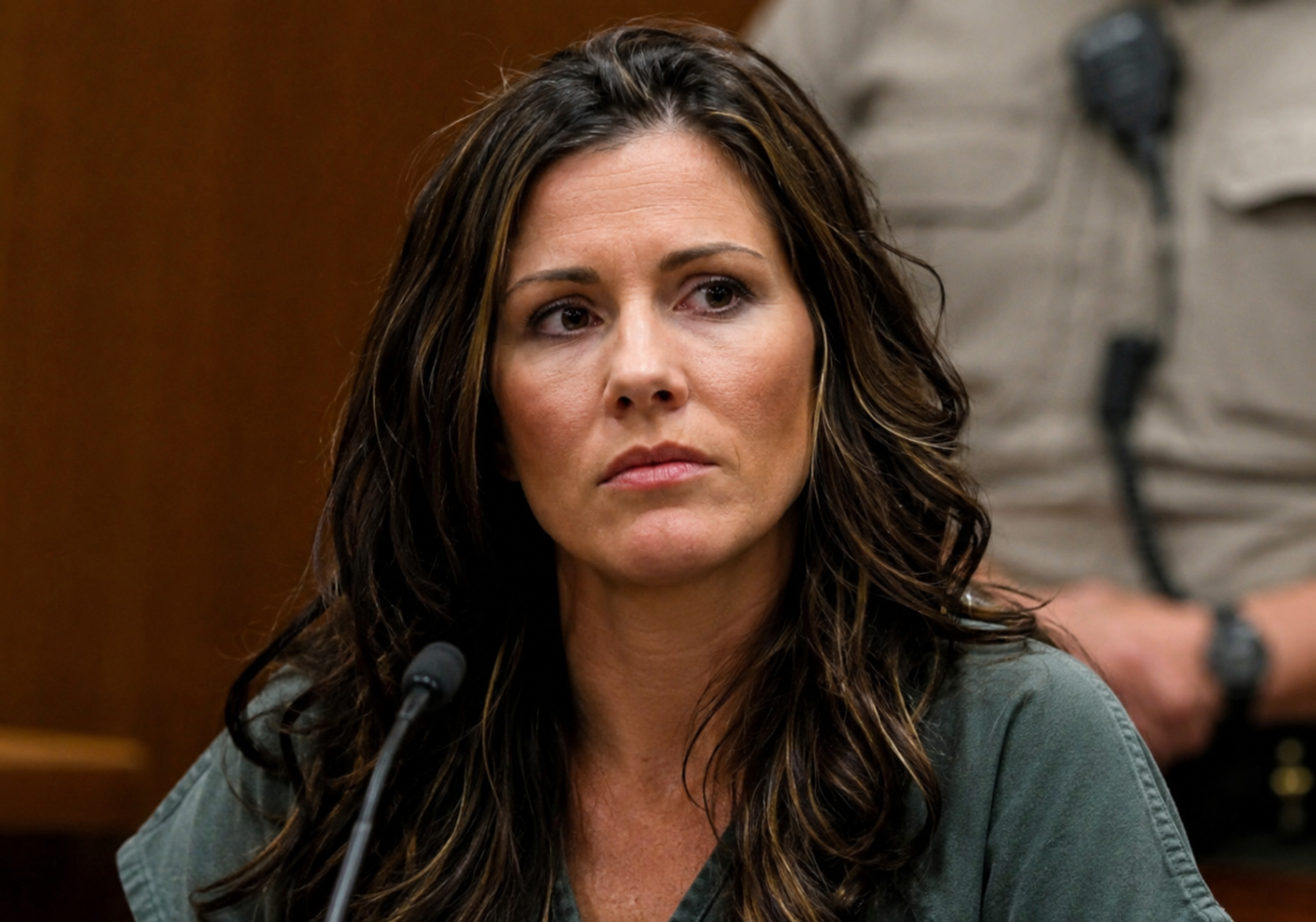

Brianne Altice became widely known in the United States after a criminal case involving her conduct as a high school English teacher in Utah. Her story attracted national attention because it involved serious violations of the trust placed in educators and students. What began as a teaching career at Davis High School eventually became a highly publicized legal case, followed by imprisonment and a later parole decision.
The case continues to attract interest because it raises difficult questions about teacher-student boundaries, professional responsibility, student protection, and accountability. It is also important to distinguish documented facts from speculation that has appeared on less reliable websites. This article focuses primarily on established reporting and court-related information rather than unverified claims about her private life.
Who Is Brianne Altice?
Brianne Altice is a former high school English teacher from Utah who taught at Davis High School. She became nationally known after pleading guilty in 2015 to three counts of forcible sexual abuse involving three students. According to contemporary reporting, the students were 16 or 17 years old at the time of the relationships.
Her case received substantial media coverage because educators occupy positions of authority and trust. Utah law also recognizes the special position of trust between teachers and students, making the circumstances legally significant. CBS News reported that Altice accepted a plea agreement in which three forcible sexual abuse charges remained while prosecutors dropped additional charges.
Although many online biographies now attempt to provide detailed information about her age, family, finances, and later life, those claims are not equally well documented. For that reason, reliable reporting provides a stronger basis for understanding her public history.
Early Life and Teaching Career
Publicly available information about Brianne Altice’s childhood and education is relatively limited. Some sources identify her birth date as June 22, 1979, and her birthplace as Clearfield, Utah. IMDb independently lists the same birth information, although its profile is primarily related to her limited television appearances rather than her teaching career.
Before the criminal case, Altice worked as an English teacher at Davis High School. Teaching is a profession built around trust, mentorship, and responsibility, which made the later allegations particularly serious.
The available reporting does not provide a comprehensive biography of her early professional development. Consequently, claims about specific degrees, childhood experiences, or detailed career achievements should be treated cautiously unless supported by primary or reputable journalistic sources.
What Happened in the Brianne Altice Case?
The legal case emerged after allegations that Altice had sexual relationships with students. CBS News reported in April 2015 that one student was 16 and two others were 17. Altice pleaded guilty to three counts of forcible sexual abuse as part of a plea agreement. Prosecutors dropped 11 additional charges, including several first-degree felony counts.
The brianne altice case became even more serious after authorities learned that one relationship had continued while Altice was out on bail. Contemporary reporting stated that the relationship with one student continued after her initial arrest, leading to the revocation of her bail.
These circumstances helped turn the case into a national story. Rather than being treated as an ordinary personal relationship, the conduct was considered within the context of an educator’s authority and the students’ status as minors.
Why the Teacher-Student Relationship Mattered
A central issue in the case was the imbalance of authority between a teacher and student. Teachers have access to students, influence over their educational experiences, and professional responsibilities that extend beyond ordinary social relationships.
Utah’s legal framework also treated the teacher-student relationship as a position of special trust. This distinction is important because it demonstrates why professional boundaries exist even when an educator attempts to characterize a relationship as consensual or personal.
The brianne altice case therefore became more than a story about one teacher. It highlighted broader concerns about how schools recognize warning signs and protect students from inappropriate conduct by adults in positions of authority.
Sentencing and Prison Term
In 2015, Altice pleaded guilty and received a sentence of two to 30 years in prison. The sentence followed the three forcible sexual abuse convictions. Contemporary reports described her as crying during sentencing and apologizing to the victims.
The wide sentencing range reflected the seriousness of the offenses under Utah law. It is important, however, not to confuse the maximum possible sentence with the amount of time ultimately served.
Altice later appeared before the Utah Board of Pardons and Parole. Her first parole hearing in 2017 did not result in release. In April 2019, she appeared before the board again and discussed her conduct, accountability, and personal changes during incarceration.
2019 Parole Decision
The 2019 parole hearing became another significant chapter in the story of Brianne Altice. According to Deseret News, she was granted parole and was scheduled for release from the Utah State Prison on September 10, 2019.
During the hearing, Altice was presented with a letter from one of the victims. Reporting from the hearing described her emotional reaction and her decision not to respond publicly to the letter in a way that she believed could cause additional pain. She also spoke about accepting responsibility for her actions.
Her statements during the hearing are best understood as part of the parole process rather than as a justification for her conduct. The documented record shows that she acknowledged responsibility while discussing personal issues she believed had contributed to her behavior.
The Impact on Students and the Education System
The most important part of this story is not celebrity or notoriety. It is the effect that teacher misconduct can have on students and the educational environment.
Students depend on teachers to maintain appropriate boundaries. When an educator violates those boundaries, the consequences can extend far beyond the immediate incident. Victims may experience emotional distress, disruption to their education, loss of trust, and long-term difficulties associated with the abuse.
The case also raised questions about whether school administrators recognized warning signs and whether enough safeguards were in place. A lawsuit filed by one of the victims and his parents alleged that school officials knew about inappropriate behavior and failed to adequately protect students. Those allegations were part of separate civil litigation and should not be confused with the criminal convictions.
Lessons for Schools and Teachers
Cases involving educator misconduct demonstrate why schools need clear professional standards. Teachers should understand that personal relationships with students can create serious ethical and legal consequences, particularly when students are minors.
Schools can reduce risk by maintaining clear reporting procedures, providing staff training, establishing communication policies, and responding quickly when concerns arise. Students and parents should also have accessible channels for reporting inappropriate behavior without fear of retaliation.
Most importantly, responsibility for maintaining boundaries rests with the adult professional. Students should never be expected to manage or prevent misconduct by someone who holds authority over them.
Brianne Altice in the Media
The case received coverage from major outlets including CBS News, The Independent, and Deseret News. Reports focused primarily on the criminal proceedings, sentencing, parole hearings, and broader questions surrounding teacher misconduct.
Her name has also appeared in entertainment databases because she made limited television appearances connected with news coverage. IMDb, for example, lists appearances as herself on programs including Anderson Cooper 360°, Today, and International Desk.
However, appearing in media coverage should not be interpreted as having an entertainment career. Her public recognition primarily stems from the criminal case and its consequences.
What Is Known About Her Life Today?
Information about Brianne Altice’s life after her parole is limited in reputable public reporting. This is an important distinction because numerous websites publish detailed claims about her current employment, relationships, finances, appearance, or personal circumstances without providing strong evidence.
For readers researching Brianne Altice, it is better to rely on established news organizations and official legal records than on biography websites that repeat one another. A lack of reliable public information does not justify filling the gaps with assumptions.
Similarly, claims about her current net worth should be treated skeptically. There is no well-established public financial record that supports the precise estimates frequently repeated online.
Why the Case Still Matters
The Brianne Altice case remains relevant because it illustrates the importance of professional boundaries in education. Teachers have significant influence over young people, and that influence creates responsibilities that cannot be separated from their professional roles.
The case also demonstrates how a criminal proceeding can evolve over several years. The initial allegations led to criminal charges, a plea agreement, sentencing, incarceration, parole hearings, and eventual release. Each stage received public attention for different reasons.
For schools, the broader lesson is straightforward: student safety must remain a priority. Clear policies, effective oversight, and accessible reporting systems can help identify inappropriate conduct before it causes greater harm.
Frequently Asked Questions
When was Brianne Altice born?
Public databases such as IMDb list June 22, 1979, as her date of birth and Clearfield, Utah, as her birthplace.
What was Brianne Altice’s profession?
She was a high school English teacher at Davis High School in Utah before the criminal case.
Why did Brianne Altice go to prison?
She pleaded guilty to three counts of forcible sexual abuse involving students. Her combined sentence was two to 30 years in prison.
Was Brianne Altice granted parole?
Yes. The Utah Board of Pardons and Parole granted her parole in 2019, with release scheduled for September 10 of that year.
What is Brianne Altice known for?
She is primarily known for the criminal case involving sexual abuse of students while she was a high school teacher in Utah. The case generated national discussion about educator responsibility, student protection, and professional boundaries.
Conclusion
The story of Brianne Altice is ultimately a serious example of how violations of professional boundaries can have profound consequences. Her career as a teacher ended after she pleaded guilty to three counts of forcible sexual abuse involving students, followed by a prison sentence and later parole.
While public curiosity has produced many online accounts about her personal life, responsible reporting requires separating verified information from speculation. The most meaningful lesson from the case concerns student safety, educator accountability, and professional ethics. Schools have a responsibility to protect students, teachers have a responsibility to maintain appropriate boundaries, and systems must respond when those boundaries are threatened.
Understanding the documented facts allows readers to look beyond sensational headlines and recognize the broader issue: trust in education carries serious responsibilities, and violating that trust can leave consequences that last long after a criminal case ends.









Leave a Comment