

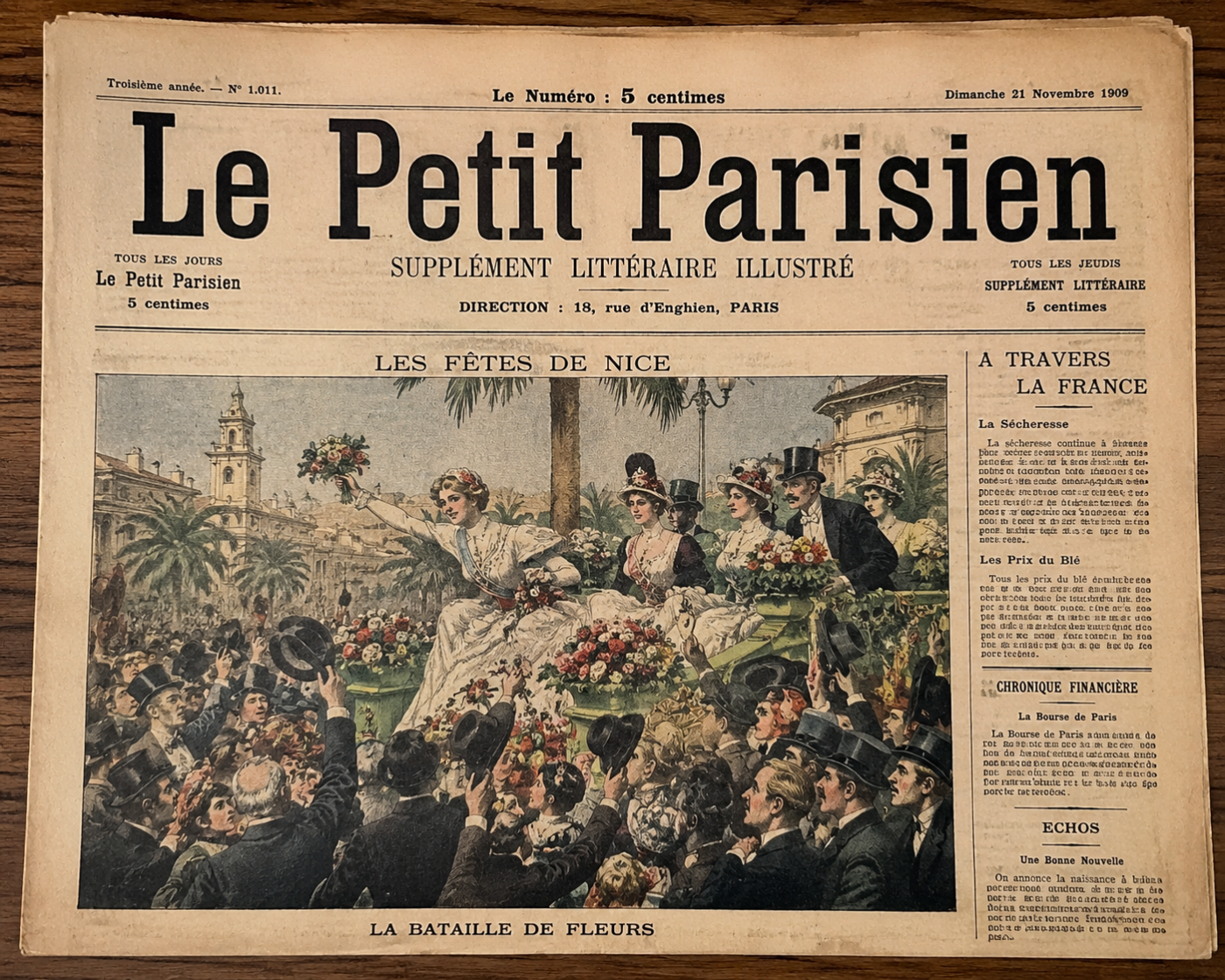

Le Petit Parisien remains one of the most recognizable names in the history of French journalism. Although the newspaper no longer circulates today, its remarkable legacy continues to shape discussions about media, politics, and communication in France. During its peak, it reached millions of readers and became one of the world’s highest-circulating daily newspapers.
Its success was not based on sensational headlines alone. Instead, it combined accessible reporting, affordable pricing, and broad coverage of national and international events. As literacy rates increased across France during the late nineteenth and early twentieth centuries, the publication became a trusted source of information for ordinary citizens.
This article explores the origins, growth, editorial approach, cultural impact, and historical significance of Le Petit Parisien while explaining why it still attracts interest among historians, collectors, researchers, and journalism enthusiasts.
The Origins of Le Petit Parisien
Le Petit Parisien was founded in 1876 during a period of significant political and social transformation in France. The country was rebuilding after the Franco-Prussian War, and public demand for reliable news continued to rise.
The newspaper was created to provide affordable news that could reach readers from different social backgrounds. Unlike many elite publications of the time, it focused on making current events understandable and accessible to the average person.
Its low cover price helped expand its readership rapidly, allowing people from cities and rural communities alike to stay informed about important developments.
How the Newspaper Became So Popular
Several factors contributed to the extraordinary rise of Le Petit Parisien.
Affordable Pricing
One of the newspaper’s greatest strengths was its affordability. Keeping the price low encouraged widespread readership and helped establish daily newspaper reading as a regular habit for many families.
Broad News Coverage
Rather than concentrating on only politics or business, the publication covered numerous subjects, including:
- National news
- International affairs
- Crime reports
- Science and technology
- Literature
- Sports
- Culture
- Human-interest stories
This balanced mix appealed to readers with diverse interests.
Easy-to-Understand Writing
The editors recognized that many readers wanted straightforward reporting rather than overly complex language. Articles were written in a clear style that appealed to both educated readers and newcomers to newspapers.
Editorial Style and Journalism
Le Petit Parisien became known for combining informative journalism with engaging storytelling. Reporters aimed to present facts while keeping articles interesting enough to encourage daily readership.
Its journalists frequently covered breaking political developments, economic changes, and international events that influenced France. The publication also invested heavily in investigative reporting and correspondence from abroad.
As printing technology improved, the newspaper increased both the quality and quantity of its reporting, allowing readers to receive more comprehensive coverage than ever before.
The Role of Illustrations and Visual Design
Before photography became common in newspapers, illustrations played a significant role in attracting readers.
Le Petit Parisien featured detailed drawings that brought major events to life. These illustrations often appeared on the front page and inside special editions, making the publication visually distinctive.
As printing technology advanced, layouts became cleaner, headlines grew larger, and visual storytelling became an increasingly important part of the reading experience.
Reaching Millions of Readers
By the early twentieth century, Le Petit Parisien had become one of the largest newspapers in the world.
Its circulation exceeded one million copies per day, an extraordinary achievement for the period. The newspaper reached readers throughout France and influenced public opinion on many important issues.
Several reasons explain this remarkable success:
- Extensive distribution network
- Competitive pricing
- Reliable publication schedule
- Diverse content
- Strong editorial leadership
These strengths helped establish a loyal audience that continued growing for decades.
Coverage of Major Historical Events
Throughout its history, Le Petit Parisien documented numerous events that shaped modern Europe.
Its reporters covered political elections, international diplomacy, industrial growth, scientific discoveries, colonial affairs, and military conflicts. Readers relied on the newspaper to understand how these developments affected everyday life.
The publication also reflected changing public attitudes as France experienced rapid modernization during the late nineteenth and early twentieth centuries.
Today, historians frequently consult archived editions to better understand how contemporary audiences viewed important historical events.
Influence on French Society
Le Petit Parisien was more than simply a newspaper. It became part of daily life for millions of French citizens.
The publication helped:
- Spread information across the country
- Increase public awareness of political issues
- Encourage reading habits
- Promote public discussion
- Connect regional communities with national events
Its influence extended beyond journalism into education, literature, and public culture.
Printing Innovations
Success depended not only on quality journalism but also on technological innovation.
The newspaper invested in faster printing presses and modern production methods that enabled large-scale daily circulation. Improved transportation networks also made nationwide distribution more efficient.
These innovations allowed readers to receive fresh news quickly, strengthening the publication’s competitive advantage.
Advertising and Business Success
Advertising became an important source of revenue for Le Petit Parisien.
Businesses recognized that the newspaper reached an enormous audience, making it an attractive platform for promoting products and services.
Advertisements included consumer goods, household products, transportation services, entertainment, and employment opportunities.
This advertising income supported continued investment in reporting, printing technology, and distribution.
Competition in the Newspaper Industry
France’s newspaper industry became increasingly competitive during the late nineteenth century.
Many publications competed for readers by offering exclusive stories, serialized novels, opinion columns, and illustrations.
Le Petit Parisien successfully maintained its position by focusing on consistency, affordability, and comprehensive reporting rather than relying solely on sensationalism.
Its ability to adapt to changing reader preferences helped preserve its leadership for many years.
Challenges During the Twentieth Century
Like many historic newspapers, Le Petit Parisien eventually faced significant challenges.
Political instability, economic pressures, changing media habits, and the impact of major wars affected newspaper publishing throughout Europe.
During the Second World War, the publication encountered controversies related to wartime operations and changing political circumstances. These events influenced its reputation and contributed to its eventual decline.
Following the war, the newspaper ceased publication, bringing an end to one of France’s most influential media institutions.
Historical Importance Today
Although Le Petit Parisien no longer publishes new editions, its historical importance remains substantial.
Researchers continue examining archived copies to study:
- French political history
- Social change
- Journalism practices
- Advertising trends
- Public opinion
- Language evolution
Libraries and museums preserve many original editions because they provide valuable insight into everyday life during a transformative period in French history.
Why Collectors Value Old Editions
Original copies of Le Petit Parisien have become sought-after historical collectibles.
Collectors appreciate them for several reasons:
Historical Value
Many editions document major international events, making them valuable historical records.
Artistic Design
The illustrated covers and period typography showcase the graphic design styles of their era.
Research Material
Universities and historians frequently use preserved editions to study journalism, communication, and French society.
Condition, publication date, and the significance of featured stories often determine a newspaper’s collectible value.
Lessons Modern Journalism Can Learn
The story of Le Petit Parisien offers several lessons that remain relevant today.
Successful journalism depends on credibility, accessibility, consistent reporting, and understanding readers’ needs. While digital platforms now dominate news distribution, the principles that built trust more than a century ago continue to matter.
Modern publishers also benefit from balancing speed with accuracy, maintaining editorial standards, and adapting to technological change without sacrificing quality.
Conclusion
Le Petit Parisien occupies a remarkable place in the history of journalism. From its founding in 1876 to its rise as one of the world’s highest-circulating newspapers, it demonstrated how accessible reporting could transform public engagement with current events.
Its influence extended far beyond newspaper sales. It shaped public conversation, reflected French society during periods of profound change, and left behind an invaluable historical archive that continues to educate researchers and readers alike.
Although the newspaper belongs to history, its legacy lives on through preserved editions, academic research, and the enduring principles of responsible journalism. Anyone interested in media history, French culture, or the evolution of modern newspapers will find that Le Petit Parisien remains an enduring symbol of influential reporting and editorial excellence.









Leave a Comment